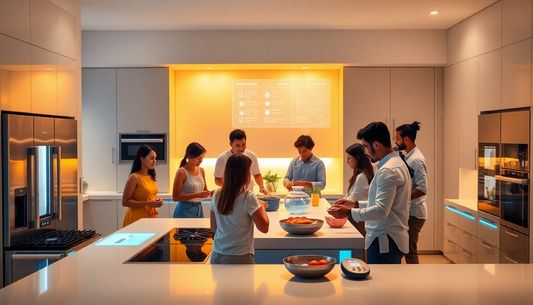

How Smart Cooking Tools Save You Time and Money
In today's fast-paced world, the kitchen has become more than just a place to prepare meals. It's a space where efficiency, sustainability, and innovation converge to create a better cooking experience. Smart cooking tools have revolutionized the way we approach food preparation, offering unprecedented convenience while simultaneously reducing waste and lowering expenses. At MollyTate, we understand that modern home cooks are looking for solutions that streamline their culinary endeavors without compromising on quality or taste. This comprehensive guide explores how intelligent kitchen technology can transform your cooking routine, save you valuable time, and reduce your household expenses.
Understanding Smart Cooking Tools
Smart cooking tools represent a significant evolution in kitchen technology. These devices leverage artificial intelligence, connectivity, and advanced sensors to automate and optimize various cooking processes. Unlike traditional kitchen appliances that require constant manual monitoring and adjustment, smart cooking tools learn from your preferences, adapt to different ingredients, and provide real-time feedback to ensure perfect results every time.
What Makes a Cooking Tool Smart?
A truly smart cooking tool combines several key features that distinguish it from conventional kitchen equipment. First, these devices incorporate advanced sensors that monitor temperature, humidity, weight, and other critical cooking parameters. Second, they feature connectivity options such as WiFi or Bluetooth, allowing them to communicate with your smartphone or other smart home devices. Third, they often include artificial intelligence algorithms that learn from your cooking patterns and preferences over time.
The integration of these technologies means that smart cooking tools can provide personalized recommendations, adjust cooking times and temperatures automatically, and even alert you when your meal is ready. Some advanced models can sync with recipe apps, automatically adjusting their settings based on the specific dish you're preparing. This level of automation and intelligence fundamentally changes how we approach cooking, making it more accessible to people of all skill levels.
Time-Saving Benefits of Smart Cooking Tools
One of the most compelling advantages of smart cooking tools is the significant amount of time they save in the kitchen. For busy professionals, parents, and anyone with a hectic schedule, these devices offer a practical solution to the challenge of preparing healthy, delicious meals without spending hours in the kitchen.
Automated Cooking Processes
Traditional cooking requires constant attention and adjustment. You need to monitor temperatures, stir ingredients, check doneness levels, and make real-time adjustments based on how your food is cooking. Smart cooking tools eliminate much of this manual labor through automation. A smart oven, for example, can maintain precise temperature control without requiring you to adjust the dial multiple times during cooking. Smart slow cookers can adjust their heating elements based on the internal temperature of your food, ensuring perfect results without any intervention from you.
This automation means you can literally set it and forget it. Prepare your ingredients, place them in your smart cooking device, select your recipe or desired outcome, and let the technology handle the rest. You're free to attend to other tasks, spend time with family, or simply relax while your meal cooks perfectly in the background.
Reduced Prep Time
Many smart cooking tools come with integrated scales, timers, and measurement guides that streamline the preparation phase. Smart kitchen scales can automatically calculate portion sizes and nutritional information, eliminating the need for manual calculations. Some smart devices can even suggest ingredient substitutions based on what you have available, reducing the time spent planning meals and shopping for specific items.
Additionally, smart recipe apps that sync with your cooking devices provide step-by-step guidance with precise measurements and timing. This eliminates the need to constantly refer back to cookbooks or search for recipes online while your hands are covered in flour or other ingredients. The integration of these tools creates a seamless cooking experience where everything you need is right at your fingertips.
Meal Planning and Grocery Shopping
Smart cooking tools often come with companion apps that help with meal planning and grocery shopping. These applications can suggest recipes based on ingredients you already have, dietary preferences, and nutritional goals. By planning your meals more efficiently, you reduce the time spent deciding what to cook and shopping for ingredients. Some apps can even generate shopping lists automatically and integrate with grocery delivery services, further streamlining the process.
This planning capability extends to batch cooking and meal preparation. Smart devices can help you plan multiple meals that share common ingredients, reducing waste and shopping time. You can prepare several meals at once using your smart cooking tools, then simply reheat them throughout the week. This approach saves tremendous amounts of time during busy weekdays.
Financial Benefits of Smart Cooking Tools
Beyond the time savings, smart cooking tools offer substantial financial advantages that can significantly impact your household budget. These savings come from multiple sources, including reduced food waste, lower energy consumption, and decreased reliance on takeout and restaurant meals.
Minimizing Food Waste
One of the most significant ways smart cooking tools save money is by reducing food waste. These devices use precise temperature control and timing to ensure that food is cooked perfectly every time. Overcooked or undercooked meals that end up in the trash represent wasted money and resources. Smart cooking tools virtually eliminate this problem through their accuracy and consistency.
Additionally, smart kitchen scales and inventory management apps help you keep track of what you have on hand and when items are approaching their expiration dates. This prevents the common problem of buying ingredients you already have or forgetting about items in your pantry until they spoil. Some smart refrigerators can even track the contents of your fridge and alert you when items are about to expire, suggesting recipes that use those ingredients.
The reduction in food waste directly translates to financial savings. Studies show that the average household wastes between 15 and 25 percent of the food they purchase. By using smart cooking tools to minimize this waste, you can save hundreds of dollars annually.
Energy Efficiency
Smart cooking tools are designed with energy efficiency in mind. They use advanced insulation, precise temperature control, and optimized cooking algorithms to use less energy than traditional appliances. A smart oven, for instance, can preheat more quickly and maintain temperature more efficiently than conventional ovens, reducing energy consumption by up to 20 percent.
Smart slow cookers and pressure cookers use significantly less energy than traditional cooking methods. A slow cooker uses about the same amount of electricity as a light bulb, making it one of the most energy-efficient cooking methods available. When you combine this with the time-saving benefits of slow cooking, you get both financial and environmental advantages.
Over the course of a year, the energy savings from using smart cooking tools can amount to substantial reductions in your utility bills. For a household that cooks regularly, these savings can easily reach several hundred dollars annually, depending on your local energy rates and cooking frequency.
Reducing Takeout and Restaurant Expenses
Perhaps the most significant financial benefit of smart cooking tools is that they make home cooking so convenient and reliable that you're more likely to cook at home rather than ordering takeout or eating at restaurants. The average family spends between 10 and 15 percent of their food budget on restaurant meals and takeout. By making home cooking easier and more enjoyable, smart cooking tools can help redirect this spending toward groceries, resulting in substantial savings.
When you cook at home using smart tools, you control the ingredients, portion sizes, and nutritional content of your meals. You also benefit from the economies of scale that come with buying ingredients in bulk. A meal that costs $15 to $25 at a restaurant might cost only $3 to $5 to prepare at home using smart cooking tools.
Lower Maintenance and Replacement Costs
Smart cooking tools are built with durability and longevity in mind. Their precise temperature control and automated processes reduce wear and tear on the appliances themselves. Additionally, the data these devices collect can alert you to maintenance needs before they become serious problems, extending the lifespan of your equipment.
The investment in quality smart cooking tools pays for itself through reduced replacement costs over time. A well-maintained smart oven or cooktop can last 15 to 20 years, whereas traditional appliances might need replacement after 10 to 12 years.
Popular Smart Cooking Tools and Their Benefits
The market for smart cooking tools has expanded dramatically in recent years, offering consumers a wide variety of options to suit different cooking styles and preferences. Understanding the benefits of specific devices can help you make informed decisions about which tools to invest in for your kitchen.
Smart Ovens and Cooktops
Smart ovens represent one of the most transformative additions to a modern kitchen. These devices feature precise temperature control, multiple cooking modes, and connectivity that allows you to monitor and adjust your cooking from your smartphone. Advanced models include built-in cameras that let you see inside the oven without opening the door, preventing heat loss and ensuring accurate cooking.
Smart cooktops offer similar advantages, with precise heat control and safety features that prevent accidents. Some models can detect when a pot is boiling over and automatically reduce heat, while others can recognize different cookware and adjust their settings accordingly. These features not only save time but also prevent costly mistakes and accidents.
Instant Pots and Smart Pressure Cookers
Instant Pots and similar smart pressure cookers have revolutionized weeknight cooking. These multi-functional devices can pressure cook, slow cook, steam, sauté, and perform numerous other cooking functions. The smart versions of these devices come with WiFi connectivity and companion apps that provide recipes and cooking guidance.
The time-saving benefits of pressure cookers are remarkable. Dishes that traditionally take hours to cook can be prepared in 30 minutes or less. Combined with the energy efficiency of pressure cooking, these devices offer significant savings in both time and money. Many families find that investing in a quality smart pressure cooker reduces their overall cooking time by 30 to 40 percent.
Smart Slow Cookers
Smart slow cookers take the convenience of traditional slow cooking to the next level. You can start your slow cooker remotely using your smartphone, adjust temperature settings from anywhere, and receive notifications when your meal is ready. Some models include temperature probes that monitor the internal temperature of your food, ensuring perfect doneness.
The beauty of smart slow cookers is their simplicity and reliability. You can prepare ingredients in the morning, start the cooker remotely before you leave work, and come home to a perfectly cooked meal. This convenience makes it easy to prepare healthy, home-cooked meals even on the busiest days.
Smart Grills and Outdoor Cooking Equipment
Smart grills bring the convenience of intelligent cooking technology to outdoor cooking. These devices feature WiFi connectivity, temperature monitoring, and automated cooking programs that ensure perfectly grilled food every time. Some models can be controlled from your smartphone, allowing you to monitor your grill while entertaining guests.
Smart grills reduce the guesswork from outdoor cooking and ensure consistent results. They also help you cook more efficiently, using less fuel while achieving better results. For families who grill frequently, a smart grill can save both time and money while improving the quality of your outdoor cooking.
Smart Refrigerators and Food Storage
While not strictly cooking tools, smart refrigerators play a crucial role in the overall efficiency of your kitchen. These devices can track their contents, monitor expiration dates, and suggest recipes based on available ingredients. Some models include built-in cameras that let you see what's inside your fridge from the grocery store, preventing duplicate purchases.
Smart refrigerators help minimize food waste by keeping you informed about what you have on hand and when items need to be used. This information can be invaluable for meal planning and reducing unnecessary food waste.
Smart Kitchen Scales and Measurement Tools
Smart kitchen scales do more than just weigh ingredients. They can calculate nutritional information, convert between different measurement units, and sync with recipe apps to ensure precise measurements. Some models can even guide you through recipes step by step, telling you exactly how much of each ingredient to add.
These tools are particularly valuable for people following specific diets or trying to control portion sizes. They take the guesswork out of cooking and help ensure consistent, delicious results every time.
Integration with Smart Home Systems
One of the most powerful aspects of modern smart cooking tools is their ability to integrate with broader smart home systems. This integration creates a seamless, interconnected kitchen environment that maximizes efficiency and convenience.
Voice Control and Automation
Many smart cooking tools are compatible with voice assistants like Amazon Alexa, Google Assistant, and Apple Siri. This allows you to control your cooking devices hands-free, which is particularly useful when your hands are occupied with food preparation. You can start your oven, adjust temperatures, set timers, and receive cooking notifications all through voice commands.
Voice control also enables automation routines that can trigger multiple devices simultaneously. For example, you could create a routine that preheats your oven, starts your slow cooker, and adjusts your kitchen lighting all with a single voice command.
Data Synchronization and Recipe Integration
Smart cooking tools can sync with various recipe apps and cooking websites, automatically adjusting their settings based on the specific recipe you're preparing. This integration eliminates the need to manually input cooking parameters and reduces the chance of errors. Some apps can even suggest recipes based on ingredients you have available and nutritional goals you're trying to achieve.
The data collected by your smart cooking tools can also provide valuable insights into your cooking habits, energy usage, and food preferences. This information can help you make more informed decisions about meal planning and grocery shopping.
Remote Monitoring and Control
The ability to monitor and control your cooking devices remotely is a game-changer for busy households. You can start your slow cooker on your way home from work, check the status of your oven while you're in another room, and receive notifications when your meal is ready. This flexibility allows you to manage your cooking around your schedule rather than the other way around.
Remote control is particularly valuable for people with unpredictable schedules or those who frequently entertain guests. You can prepare your cooking devices before guests arrive and manage the cooking process without being tied to the kitchen.
Choosing the Right Smart Cooking Tools for Your Needs
With so many smart cooking tools available on the market, selecting the right ones for your kitchen requires careful consideration of your cooking habits, budget, and lifestyle.
Assessing Your Cooking Habits
Before investing in smart cooking tools, take time to assess your current cooking habits. How often do you cook at home? What types of dishes do you prepare most frequently? Do you prefer quick weeknight meals or more elaborate weekend cooking projects? Understanding your cooking patterns will help you identify which smart tools would provide the most benefit.
If you frequently cook large batches of food or prepare slow-cooked meals, a smart slow cooker or pressure cooker would be an excellent investment. If you bake regularly, a smart oven with precise temperature control would be valuable. By matching your tool selection to your actual cooking habits, you maximize the return on your investment.
Budget Considerations
Smart cooking tools range from affordable to premium in price. While high-end models offer more features and capabilities, even mid-range smart cooking tools provide substantial benefits in terms of time and money savings. Consider your budget and prioritize tools that will have the greatest impact on your cooking routine.
It's worth noting that the cost of smart cooking tools is often offset by the savings they generate through reduced food waste, lower energy consumption, and decreased reliance on takeout. Many people find that their smart cooking tools pay for themselves within the first year of use.
Compatibility and Integration
When selecting smart cooking tools, consider how they will integrate with your existing smart home ecosystem. If you already use Amazon Alexa, prioritize tools that are compatible with that platform. Similarly, if you use Apple HomeKit or Google Home, look for devices that work with your preferred system.
Compatibility ensures that you can create seamless automation routines and control all your devices from a single interface. This integration maximizes the convenience and efficiency benefits of your smart cooking tools.
Brand Reputation and Support
Choose smart cooking tools from reputable manufacturers that offer good customer support and regular software updates. Smart devices rely on software to function properly, so ongoing support and updates are crucial for maintaining performance and security. Read reviews from other users and check the manufacturer's track record for providing updates and addressing issues.
Maximizing the Benefits of Your Smart Cooking Tools
Once you've invested in smart cooking tools, there are several strategies you can employ to maximize their benefits and get the most value from your investment.
Learning Your Devices
Take time to fully explore the features and capabilities of your smart cooking tools. Read the instruction manuals, watch tutorial videos, and experiment with different settings and recipes. Many people only use a fraction of their device's capabilities simply because they're not aware of what's possible. By learning your devices thoroughly, you can unlock their full potential.
Utilizing Recipe Apps and Communities
Take advantage of the recipe apps and online communities associated with your smart cooking tools. These resources provide tested recipes, cooking tips, and inspiration for new dishes. Many communities also share hacks and tricks for getting the most out of your devices.
Regular Maintenance
Keep your smart cooking tools in optimal condition through regular maintenance. Clean them according to the manufacturer's instructions, check for software updates regularly, and address any issues promptly. Well-maintained devices perform better and last longer, maximizing your return on investment.
Tracking Your Savings
Keep track of the time and money you save by using smart cooking tools. Monitor your energy bills, track how often you cook at home versus ordering takeout, and note how much food waste you're preventing. Seeing concrete numbers can be motivating and help you appreciate the value of your investment.
The Environmental Impact of Smart Cooking Tools
Beyond the personal financial benefits, smart cooking tools also offer significant environmental advantages. By reducing energy consumption, minimizing food waste, and decreasing reliance on restaurant meals, these devices contribute to a more sustainable lifestyle.
Energy Conservation
Smart cooking tools use less energy than traditional appliances, reducing your household's carbon footprint. When multiplied across millions of households, this energy savings has a meaningful impact on overall energy consumption and greenhouse gas emissions. By choosing energy-efficient smart cooking tools, you're making an environmentally responsible choice that also saves you money.
Food Waste Reduction
Food waste is a significant environmental problem. When food ends up in landfills, it decomposes and produces methane, a potent greenhouse gas. By using smart cooking tools to minimize food waste, you're reducing